
"It seems to me that the natural world is the greatest source of excitement, the greatest source of visual beauty, the greatest source of intellectual interest. It is the greatest source of so much in life that makes life worth living."
Sir David Attenborough
14 May, 2026
We are, as always, deeply appreciative of the opportunity to explore the wonders of SpruceHaven, and this marked the first visit of the Chinese home school group to this centre of environmental stewardship.


The sharp-eyed observer will note that experimentation with different nest types is still being conducted, for both Barn Swallows and American Cliff Swallows (Petrochelidon pyrrhonota).
I should point out that all the pictures on this day were taken by Ingrid and Penny. I had taken my camera without a memory card!
So far this year swallow numbers are down substantially, but a few birds were flying around in the barn.


I first of all showed the children how to cup the bird in the hand, preventing it from squirming loose, and keeping it warm.
.jpeg)


Look at the wonderment on Becky's face.

Luke stroked it ever so gently.

The bird was carefully placed in other hands.


Here I am pointing out the emerging flight feathers.

In a mere ten days, or so, this young bird will be fully feathered, capable of flight and will leave the nest forever.


I placed the bird back in the nest where it quickly settled in with its siblings, none the worse for its first foray into the world.

These are adventuresome children with with parents who understand that adventure and exploration are a vital part of growing up. Several climbed the ladder to peer inside the nest box.


Many American Robins (Turdus migratorius) maintained a steady chorus as we devoted our attention to the starling.

A large earthworm (phylum Annelida) received its fair share of attention.

It would have made a substantial meal for the whole family of starlings!

We went into the woodlot so that everyone could see an Eastern Red-backed Salamander (Plethodon cinereus).

It did not take us long to find one.

We also located this fine slug. I am not sure of its identity but I think it is in the genus Arion.

On the way back towards the house, Yoninah's sharp eyes spotted a male Baltimore Oriole (Icterus galbula).

It was at this stage of the morning that the greatest highlight of all occurred for me.
Yoninah's youngest child, Aurora, will be two years old any day now, but is always keen to leave her stroller to walk and play with the other children. It is amazing how she keeps going on those little legs, and she always is of good cheer, and happy.
I think that she knows instinctively that wrinkled old hands are predestined to hold the hand of a child, and I felt a surge of great happiness when I felt her little hand grip mine.

It was really quite amazing.

I can hardly wait to see her again.

28 May, 2026


There appears to be some interest in the nests and we hope to be able to confirm egg-laying and incubation over the next few days.
Some were perched on the wires outside, while others hawked for insects over the pond.

There was much to see and learn, and these happy faces reveal the wonder and excitement engendered by interaction with nature.


The nest was empty, but, fittingly, you will see a Barn Swallow soaring overhead.
We saw a couple of recently fledged American Robins, setting out on their journey into adulthood, ready to face the challenges that lie ahead.

The human children, too, are being prepared by exceptional, caring parents for "life in the fast lane!"
We set off to begin our walk.

It was still a little chilly for the time of year and everyone was protected from the cool breeze. The morning warmed up, however, and soon the temperature was very comfortable.
Penny proved that a phone camera is capable of wonderful pictures.

Male Red-winged Blackbirds (Agelaius phoeniceus) were frequently seen, and even more frequently heard, as they defended their territories against all-comers.

My knowledge of ants is miniscule, but they interest me greatly. I think it was Theo who found this colony and I was very pleased when he showed it to me. A little research reveals this species to be Odorous House Ant (Tapinoma sessile). They were busy!

One of the main subjects of our quest today was Tree Swallow (Tachycineta bicolor), surely as beautiful and dramatic a bird as one might see.


When the sun catches that dazzling blue back at just the right angle, set off by a pristine white belly, there is no more beautiful bird. Furthermore, to watch it wheel and dive in flight, catching insects in mid air, or capturing a feather floating on the wind, is to experience true wonder.
The children were happy, enjoying the open landscape, exploring and discovering myriad creatures and wildflowers in the field, taking care of each other, bigger children always helping the little ones, and bringing me an endless stream of objects to identify.


There was a lot of walking for little Aurora, and she had to run with the older children, of course, so once in a while she was entitled to ride in her stroller.

Here is a Tree Swallow poking its head out of a nest box.


Meet Phoebe, everyone.

I have seen many Eastern Phoebes (Sayornis phoebe) this year, but so far have been unable to find one when she is with me. Hopefully, that will change on our next outing. It's only right that she should meet the bird with whom she shares her name.
Rachel is admiring Lilacs (genus Syringa).


Larch (genus Larix) was looking splendid.

Small White (Pieris rapae) is a very common early butterfly, and this individual perched nicely for us.

An Eastern Black Walnut (Juglands nigra) is primed to produce a copious volume of fruit later in the year.

Spittlebugs (infraorder Cicadomorpha) utilize a protective coating of spittle to cover the nymphs; colloquially know as cuckoo or snake spit.

On the left is a larva which may be Willow Spittlebug (Aphrophora salicina), but don't bet the family fortune on this assessment! For the non-specialist ID is not easy.
We all had a wonderful day together.
Let me leave you with one more Tree Swallow.

It seems like the right thing to do.

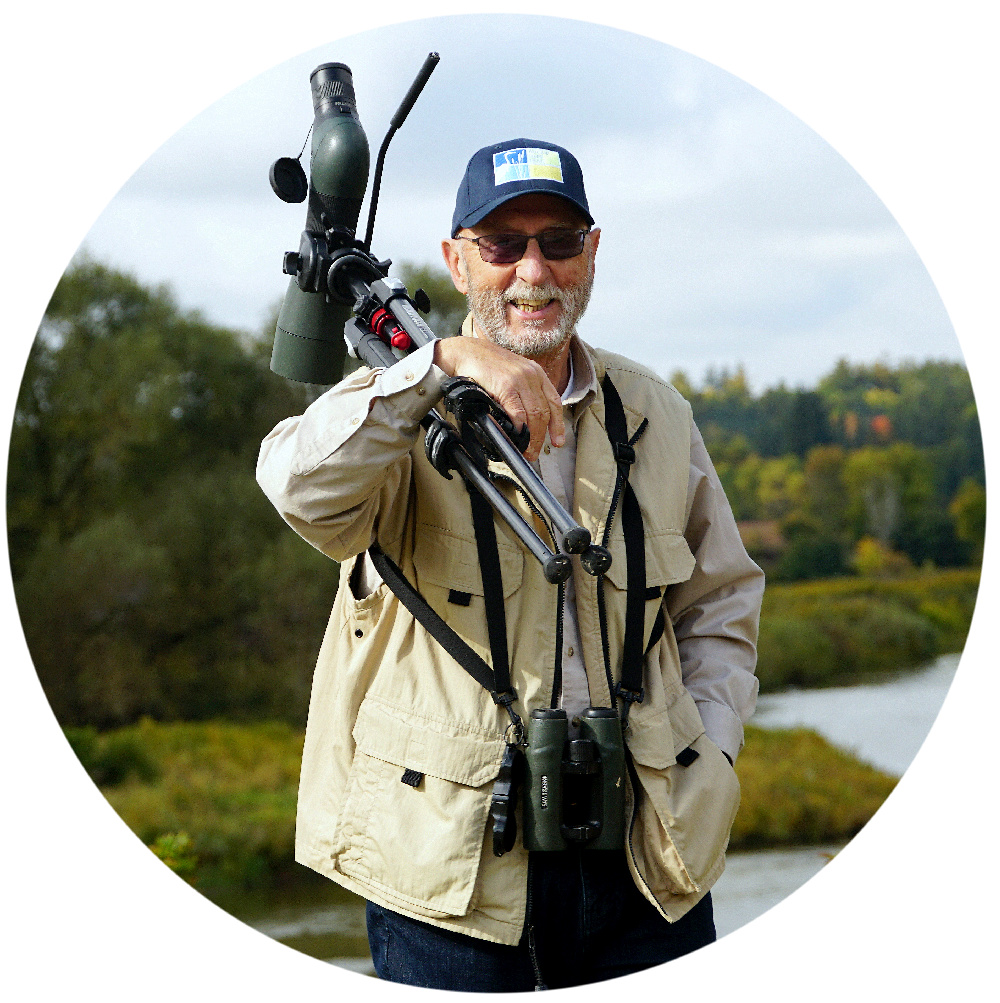

David! I applaud your work with children. Children's observation of the natural world is a natural foundation for their education and comprehensive development. Through direct contact with nature, children stimulate all their senses, learn empathy, patience, and logical thinking, and build lifelong pro-ecological attitudes. Observing nature fosters sensitivity and requires patience and focus, which is often a challenge for today's children. Introducing children to the natural world through play is a step towards understanding and appreciating the beauty and complexity of the world around us.
ReplyDeleteBest regards.
I appreciate your seal of approval, Lucja-Maria, and I am sure the mothers will be happy to read your comment.
DeleteThere are two types of nests. Those that are irregular also exist in Europe.
ReplyDeleteI really hope that the baby bird wasn't too scared....the kids were having fun learning while playing and enjoying the nature. Best way to learn...
ReplyDeleteIt is an incredible gift that you are giving to these adorable children. Nature at its best and it certainly shows in their expressions. Marvelous photos!
ReplyDeleteSo where was the baby starling's mother during all of that? Out getting food?
ReplyDeleteThat’s exactly what she (and he) was doing. I didn’t notice at the time but I suspect food was delivered to the other nestlings at the time this was going on.
DeleteGreat education for all :-D Lovely photos. That baby bird looks so fragile. The last photo, the bird is posing for you :-D
ReplyDeleteHari OM
ReplyDeleteOutstanding experiences for all - but the kids will remember for a lifetime! I love that you are enjoying being an honorary grandad, David 😊 YAM xx
Both my blood grandchildren are boys, too, so a little girl is extra special.
DeleteHello Dawid,
ReplyDeleteI'm always very impressed by the education given to young children about protecting our environment, our surroundings, and respecting nature and the wildlife around us. I'm also starting to feel this great need for education, but I have the impression that we're still a long way off.
As you can see, children are most curious and interested in learning about respecting and appreciating what nature gives us. These photos are adorable; you can see their great interest and eagerness to learn every detail. I admire their courage; not everyone would pick up an earthworm... :) But it's clear that it was—as you say—a truly enjoyable and useful time.
All the best!
Much respect to you, for publishing this comprehensive account about guiding, educating, and entertaining these children on the visits to Spruce Haven....Be proud David.
ReplyDeleteKind Regards from the North West of England....Pete.
Thank you, Pete. It’s always a pleasure to be with them.
DeleteThe looks of wonderment on the children's faces is a priceless gift, but to feel a small child's hand in your own is inestimable.
ReplyDeleteSo much credit goes to their parents for ensuring that outdoor education is part of their curriculum.
Delete...I would find having so many eager learners a delight.
ReplyDeleteI do, too, Tom. The kids are a delight. It’s really enjoyable to be around them.
DeleteYour post clearly shows how that Chinese home school group enjoyed that natural environment. Lovely photo of Children who were interested how to cup the bird in the hand. Great job, David!
ReplyDeleteI'm curious about the fake barn swallow nests. Well, not fake, human manufactured. I suppose it's no different than a bird house although birds still make a nest inside them. Don't the birds prefer to make their mud nests?
ReplyDeleteThat's part of what we are trying to find out. The Barn Swallows add mud to the wooden cups but readily accept them. So far we have no history with Cliff Swallows.
DeleteThere's a wonderful man who knows how to make people happy, from children to adults.
ReplyDeleteThank you, Sami.
DeleteDavid, you have no idea how sensational you truly are. The children and the parents will treasure this day forever. You are changing lives by teaching (everyone) the importance of not only birds but the crawlers, 4 legged, the plants and how our land is supposed to be. The young lady in the pink jacket and hat watching you walk with Aurora, seems to me wanted to join you. Thank you for always sharing your trips and knowledge.
ReplyDeleteYou are too kind, Nicole - but thank you!
DeleteHow great to see those kids out enjoying and learning from Nature. Kudos to their parents and to you for making this happen. Also, great final picture of that Tree Swallow.
ReplyDeleteIt won't be long before you are invited to the graduation of these children and I hope that (and wouldn't be surprised if) one or more of them went into nature studies!
ReplyDeleteThey grow up far too quickly, Jeanie. Whatever their path in life, they will do well. They are bright children with dedicated parents to help them on their way.
DeleteWhat wonderful photos David. It's lovely to see you with the kids and particularly Aurora, what a wee darling. I'd steal her. You made my day, I was literally smiling all through your friends' shots. These memories will last forever for these children. An important grounding in the wonders of the earth.
ReplyDeleteXO
WWW
I think her mom, Yoninah, is keeping a close eye on her in case I bring her home with me!
DeleteSchön zu sehen wie die Kinder sich für die Tiere und die Natur interessieren. Gut das sie die Gelegenheit bekommen sich alles anzusehen.
ReplyDeleteGruß
Noke
These children are making some core memories with you, David. I enjoyed seeing everyone delight in the baby bird.
ReplyDeleteWhat wondrous field trips. They must have been a wondrous experience for all. Great job, David.
ReplyDeleteThe Tree Swallows captured my heart today, David. Such a beautiful bird. I love that you bring an understanding of nature to these children who are obviously very interested in it. This is the best way to create a life long love and respect for anything nature.
ReplyDeleteHi David! what a beautiful post, so very beautiful! I was touched because the photos convey wonder, tenderness, and happiness. It's clear it was a wonderful day. It's so lovely to see children learning about nature in such a vibrant way, surrounded by someone who shares their knowledge with such passion and generosity. You and the baby holding hands... a truly heartwarming post 🥹
ReplyDeleteHave a great start to the month and the week. Big hug.
How wonderful the children came along to see the wonders of nature. Well done David. Such lovely scenes and photos.
ReplyDeleteWhat a wonderful experience this is for the children.
ReplyDeleteChildren learning how to interact with nature, amazing.
I think it's great that you are doing all of this, David.
All the best, Irma
A beautiful trip to the Chinese school. A nice outing in nature for the children. I don't see many swallows this year. Beautiful header of your both. Have a nice day !
ReplyDeleteWat mooi dat je, je hier voor inzet David.
ReplyDeleteGoed werk om de kinderen met de natuur te laten kennis maken.
En ze genieten er van, dat zie je zo.
Mooie foto reportage.
Groetjes Tinie
Spending time with children is a precious thing. Spending time introducing them to the wonders of nature is even more exceptional!
ReplyDeleteDear David,
ReplyDeleteThe two nature observation trips seem to have brought great joy to everyone involved – including you. No wonder, when such a sweet little hand reaches for yours – with so many interested children and so many beautiful animals to see! By the way, I didn't know that starlings have such wide beaks when they're young.
Indeed: That giant earthworm would have made a great meal.
How wonderful that you're planning a trip to Vancouver Island. I know you'll enjoy it!
Regarding the number 13, which you wrote to me about the other day – for me, it's not an unlucky number either. I was born on a 13th – and I consider that incredibly lucky 😊!
Edi thanks you for your greetings! Please be so kind as to also send our warmest regards to Miriam!
All the best from Austria, Traude
I noticed it was cold on the first walk by all the coats with hoods and warmer on the second. You are making a difference in the education of these children! There are tree swallows nesting in bluebird boxes at a neighbor's house. They are beautiful birds.
ReplyDeleteThis learning adventure will remain a fond memory in these kid's mind.
ReplyDeleteAnd there is more to come, Bill. We already have an outing planned for 18 June.
DeleteHello David,
ReplyDeleteYes, you can certainly say that nature is the greatest source of visual beauty (if only you are willing to see it).
It is wonderful to see how you let these children experience nature. You have the charm for it, and you are so good with children. It is also lovely to be able to explain certain things in and out of nature.
Framed with a nice number of photos. Class act.
I truly admire you for this gift.
Best regards, Helma
Thank you, Helma.
DeleteThis is the best thing I have read all day, David. Sure made me smile, especially those pictures of you with the little one.
ReplyDeleteI wish all children could experience outings like that. I think this world would be the better for it.
'Hallo David,
ReplyDeletewhat shines through these visits most of all is not only your knowledge of birds and nature, but the joy of shared discovery. The children’s expressions in these photographs say everything — wonder, curiosity and genuine excitement about the living world around them.
I was especially touched by the quiet moments: the tiny hand of little Aurora in yours, the careful way the children handled the young starling, and the older children helping the younger ones along the trail. Those moments feel just as important as the species observations themselves.
Your posts always remind me that nature education is not only about identification and facts. It is also about teaching attentiveness, kindness and connection. These children are clearly growing up with a deep sense of curiosity and respect for the natural world, and that feels very hopeful.
And of course, the tree swallows were magnificent. Your enthusiasm for them is completely contagious. 😊
Thank you again for taking your readers along on these adventures. They always leave me with a sense of calm and gratitude.
Warm regards, Anette
Thank you for these kind words, Anette.
DeleteChildren are so curious !!! For a better future we must teach them the beauties of Nature for later respect them !
ReplyDeleteThanks for sharing those lovely pictures David !
David Attenborough is 100 years old and had made some of the best nature decomentaries!
Bisous et bon reste de semaine !
Anna
David Attenborough is still making them.
DeleteYou look so happy teaching those kids!!...and what a wonderful picture of you walking with Aurora!!.....Abrazotes, Marcela
ReplyDeleteThose kids are adorable. And I love how much they were into their natural history lessons. And you look like you're enjoying yourself too. I think when the teacher is excited about the subject, the kids get excited too. Hopefully those lessons will stay with them for a lifetime. hugs-Erika
ReplyDeleteI always enjoy myself when I am with these kids - and their parents, too.
DeleteHello David,
ReplyDeleteIt is always wonderful to see how you manage to get young people and children excited about nature—the beaming smiles and laughter on their faces are the greatest reward.
Best regards, Frank
When we were visiting with our daughter she was talking about Sir David Attenborough:)
ReplyDeleteRegarding the baby birds, the cats aren't allowed outside.
Good for your daughter!
Deletebonjour je découvre ton blog et j'adore donc je m'abonne, nous avons eu une grosse canicule cette chaleur était dure a supporter et maintenant ont respire , je te souhaite un bon Jeudi
ReplyDeleteLove this. You are doing an amazing thing David. Those kids will never forget, and hopefully they will realize what we have and how it needs to be protected.
ReplyDeleteI had two special mentors of the outdoors when I was young, plus others. I am so grateful for the grounding I had while young.
Thank you, Rosalea.
DeleteIt is lovely to see the children enjoying this wonderful experience.
ReplyDeleteAll the best Jan
Maravilloso reportaje como siempre querido amigo. Me alegra ver a los niños disfrutando y felices. Abrazos.
ReplyDeleteIt gives me so much hope to see these young people falling in love with the world and to see their gentle guidance by their parents and their mentors, especially you, David.
ReplyDeleteI feel the beauty of the universal togetherness.
ReplyDelete